Why the Strait of Hormuz Matters Now
June 3, 2026
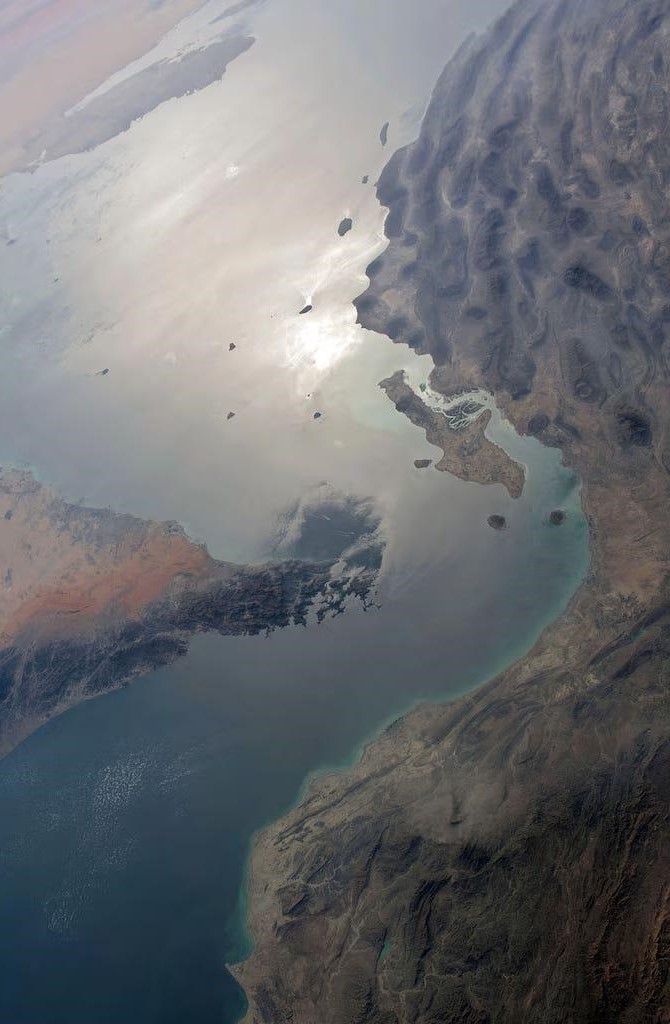
How a 21-mile strip of water became the pressure point for global energy and why its closure is roiling markets worldwide. The Strait of Hormuz – a narrow passage between the Persian Gulf and the open ocean – is the world’s most critical energy chokepoint. On an average day, about 20% of all oil shipped globally (roughly 20 million barrels) flows through this small waterway. It’s also a transit route for approximately one-fifth of the world’s liquefied natural gas (LNG) exports. In short, much of our planet’s energy supply must squeeze through this single strait.
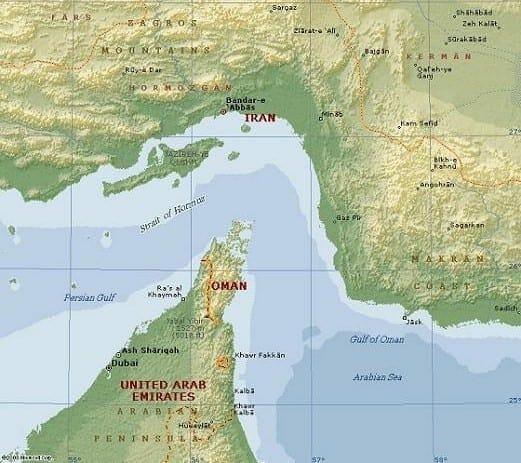
So what happens if that flow stops? We’re finding out right now: A war between the United States and Iran in early 2026 temporarily shut down the Strait of Hormuz, choking off most oil and gas traffic for weeks and rattling markets around the globe. Even partial reopening of the strait under an April ceasefire has only eased the pain slightly. Oil and gas prices shot up, fuel and transport costs followed, and the shock waves have hit industries and households worldwide.
When Hormuz Closes, Global Costs Rise
Because so much oil and gas flows through the Strait of Hormuz, any disruption has an outsized impact on supply and demand for essential commodities. The effects have rippled across sectors:
● Fuel for Transportation: Gasoline and diesel prices quickly spiked across the world, meaning higher prices at the pump for drivers everywhere.
● Electricity & Industry: With limited fuel and natural gas reaching global markets, power generation costs climbed and factories paid more to operate, pressuring manufacturing and utility bills.
● Food Supply: The Gulf region is a major producer of fertilizers. When supplies of fertilizer ingredients (like ammonia, urea, and sulfur) got caught up in the Hormuz shutdown, fertilizer prices soared – a trend that will ultimately drive up the cost of crops and food around the world, particularly in import-dependent countries
Commodity Markets Under Strain
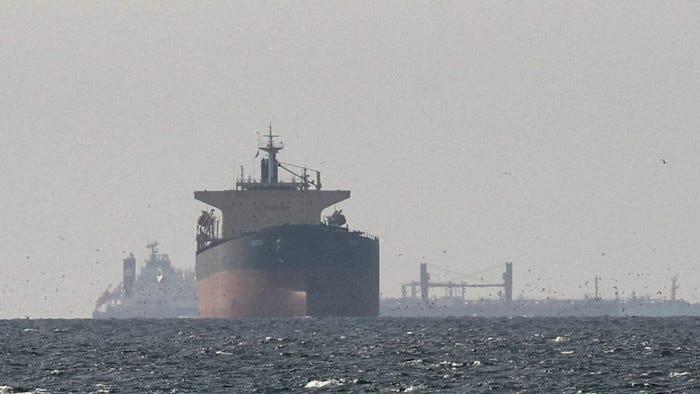
The strait’s closure set off steep price surges across energy and materials markets.
Oil & Refined Fuels: Oil was the first to react. Brent crude – the global oil benchmark – surged above $120 per barrel in March, up from around $70–80 before the conflict. This roughly 50% jump in oil prices was the highest since 2022, driven by the sudden loss of millions of barrels per day from the Gulf. The pinch quickly spread to refined fuels like diesel, jet fuel, and gasoline. These prices climbed even more steeply than crude itself, especially in regions like Asia and the United States where fuel supplies were squeezed by idled Gulf refineries and export terminals. For consumers, that meant rising prices at gas pumps and costlier air travel and shipping.
Natural Gas (LNG): LNG markets followed suit. Qatar – one of the world’s biggest LNG exporters – declared force majeure (suspending deliveries due to events beyond its control), effectively halting many shipments. This left importers in Europe and Asia scrambling for replacement gas. Within two months, natural gas prices in major European and Asian markets soared by 80% or more, with Asian LNG spot prices nearly doubling from their pre-war level. Many power generators and factories in those regions were forced to pay exorbitant spot prices for fuel, and some even resorted to energy rationing to cope with the shortfalls.
Fertilizers & Food: Among all commodities, fertilizers saw some of the steepest jumps – in part because the Gulf region is a huge supplier. The Middle East normally accounts for about a third of globally traded fertilizer volumes (and nearly half of some key fertilizer products like urea and sulfur). With shipments stalled and natural gas – a crucial ingredient in nitrogen fertilizer production – suddenly scarce and expensive, fertilizer costs skyrocketed. By early April, nitrogen fertilizer (urea) prices had leapt roughly 80% above pre-conflict levels, reaching over $850 per ton (their highest point since 2022). Phosphate (DAP) fertilizer prices were more stable, rising on the order of 10% in the early weeks of the crisis. Sulfur, another fertilizer ingredient produced by Gulf energy processing, roughly doubled to burst past $600 per ton in major markets. These rising costs for farm inputs now threaten to push up global crop and food prices – a worrisome prospect for countries that depend on imported fertilizers.
Other Commodities Feeling the Pinch: It’s not just energy and agriculture. Multiple other industries have been caught in the strait’s shock:
● Aluminum: Gulf nations (like the UAE and Bahrain) supply nearly 8% of the world’s aluminum. Some Middle Eastern smelters were forced to cut shipments and even declare force majeure, helping to drive global aluminum prices to a multi-year high above $3,400 per ton.
● Helium: About a third of the world’s helium – a critical gas used in semiconductor manufacturing and medical imaging (MRI machines) – comes from Qatar’s LNG facilities. With Qatar’s LNG output curtailed, the global helium market faced immediate shortages and rationing, and prices spiked for tech and healthcare industries that rely on this rare gas.
● Petrochemicals: Other materials like methanol, naphtha, and various petrochemicals have also tightened in supply, raising input costs for everything from plastics to consumer goods.
All these disruptions are feeding into a broader picture of economic risk. Major institutions, including the International Monetary Fund and World Bank, have warned that the Hormuz crisis is propelling inflation higher and slowing global growth – with energy-importing and food-importing countries bearing the heaviest burden.
Pressure to End the Crisis
From Gulf allies to U.S. voters, calls are growing to restore normal trade through Hormuz.
The conflict’s economic fallout has triggered urgent calls worldwide for a swift diplomatic resolution. Multiple governments and industries are pressing to reopen the strait fully and stabilize markets. The appeals are coming from all sides:
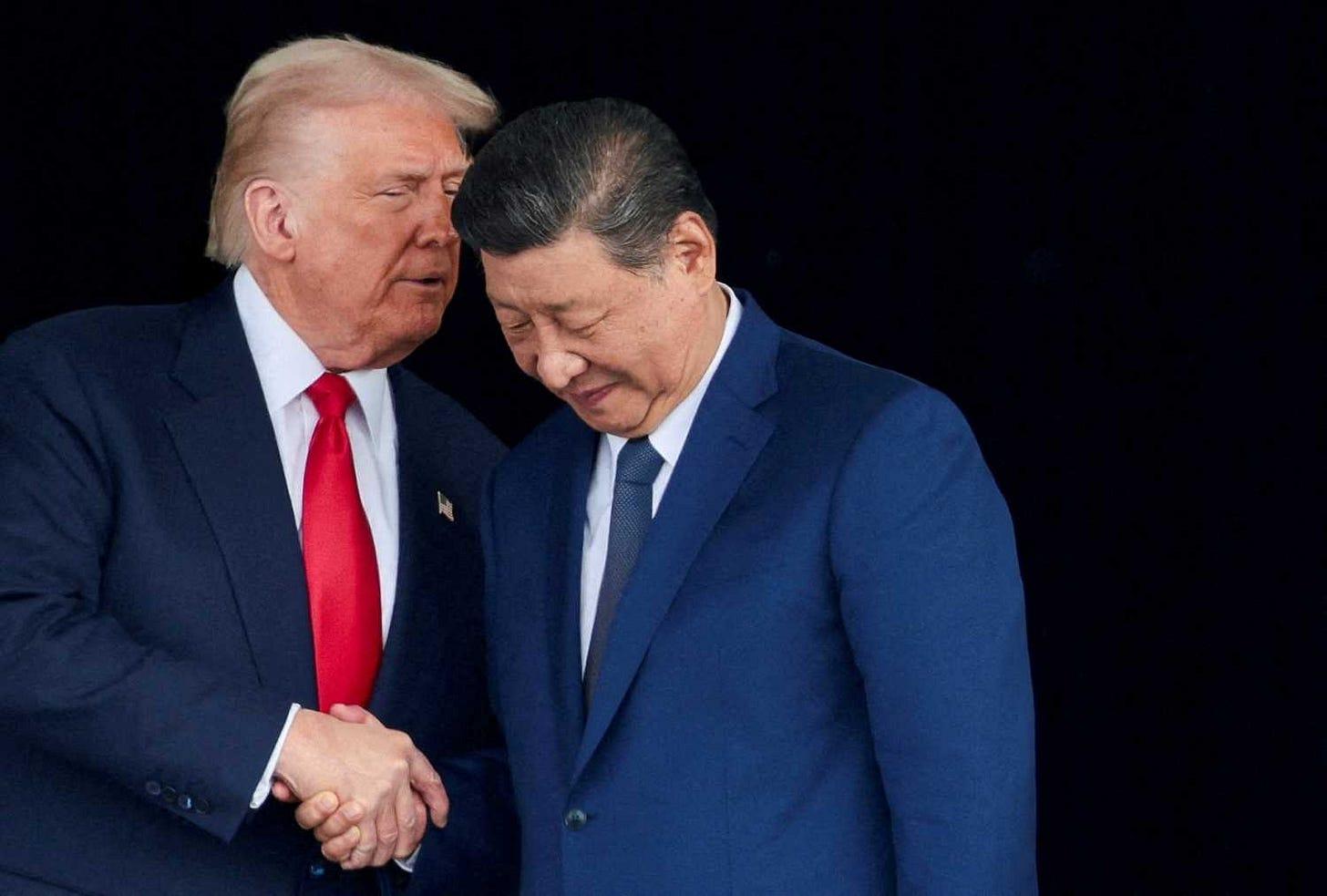
● Gulf Allies: Leaders of Saudi Arabia, Qatar, and the United Arab Emirates have urged President Donald Trump to hold off on further military action and to focus on negotiations. These countries rely heavily on stable energy exports and have been vocal about the need to secure shipping lanes.
● Major Importers: China, India, Japan, and European nations – all heavily dependent on Gulf oil or gas – are urging an “off-ramp” to the conflict. China alone ships nearly half of its imported oil through Hormuz; Europe is struggling with high energy prices that impede its industry and complicate any plans to lower interest rates.
● U.S. Domestic Pressures: Within the United States, elevated gasoline and diesel prices have squeezed consumers and businesses, while farmers and agribusinesses face spiking fertilizer costs. These pocketbook pressures are making the Hormuz negotiations a domestic political issue, with some leaders worrying about rising costs heading into the 2026 midterm elections.
Where Negotiations Stand (and What a Deal Could Look Like)
Ceasefire talks continue as a potential framework emerges.
As of late May 2026, a final agreement between the U.S. and Iran has not yet been signed. Both sides signal they are close to terms but not quite there. President Trump has said a deal is “largely negotiated” yet insists his team “not rush” the final steps. Secretary of State Marco Rubio describes the talks as making “significant progress” – with only some wording on nuclear issues and sanctions left to resolve – and suggests a deal “could still be reached within days.” Iranian officials, too, acknowledge that many issues have been agreed upon, but emphasize that a signing is “not imminent.”
What might a final deal entail? Based on public hints, any U.S.-Iran framework would likely be a short Memorandum of Understanding to extend the ceasefire and gradually normalize Gulf shipping. It is expected to include:
● Strait Reopening: A phased lifting of restrictions on the Strait of Hormuz over roughly 30 days, allowing more tankers through. Iran would work with Oman to coordinate security in the strait but no new transit fees would be imposed.
● Naval De-Escalation: The U.S. and partners would end the naval blockade of Iranian ports, restoring Iran’s maritime trade access.
● Sanctions Relief: Some U.S. sanctions would be eased in phases, and a portion of Iran’s frozen overseas assets could be released to Tehran.
● Nuclear Pledge: Iran would re-affirm a commitment not to develop nuclear weapons and take initial steps to limit or export its stockpile of highly enriched uranium (addressing the crisis’s trigger).
More contentious issues – such as the long-term limits on Iran’s nuclear program, ballistic missiles, and broader regional security matters – would be left to follow-up negotiations (expected to unfold over the next month or two).
The stakes are enormous. The success of any Hormuz agreement will be judged by how quickly oil and gas shipments return to normal and how fast commodity prices come back down to earth. Every additional week of delay means continued pain: high energy and food costs for households, pressure on businesses, and strain on economies around the world. The world is watching closely for the strait to fully reopen – and provide a desperately needed release valve for global supply and demand.